Di-Ammonium Phosphate (DAP)

Di-Ammonium Phosphate (DAP)
Di-Ammonium Phosphate (DAP) is a widely utilised chemical compound in agricultural and industrial applications, including fertiliser production, fire retardants, and metal treatment processes. Its high nitrogen and phosphorus content, along with its ease of handling and solubility, make it a preferred choice in many industries. DAP is typically produced by reacting ammonia with phosphoric acid, resulting in a stable, water-soluble product.
Chemical Composition and Properties
– Chemical Name: Diammonium phosphate (DAP 21-53-0)
– Chemical Formula: (NH₄)₂HPO₄
– Molecular Weight: 132.06 g/mol
– CAS Number: 7783-28-0
– HS Code: 2835.10.00.00
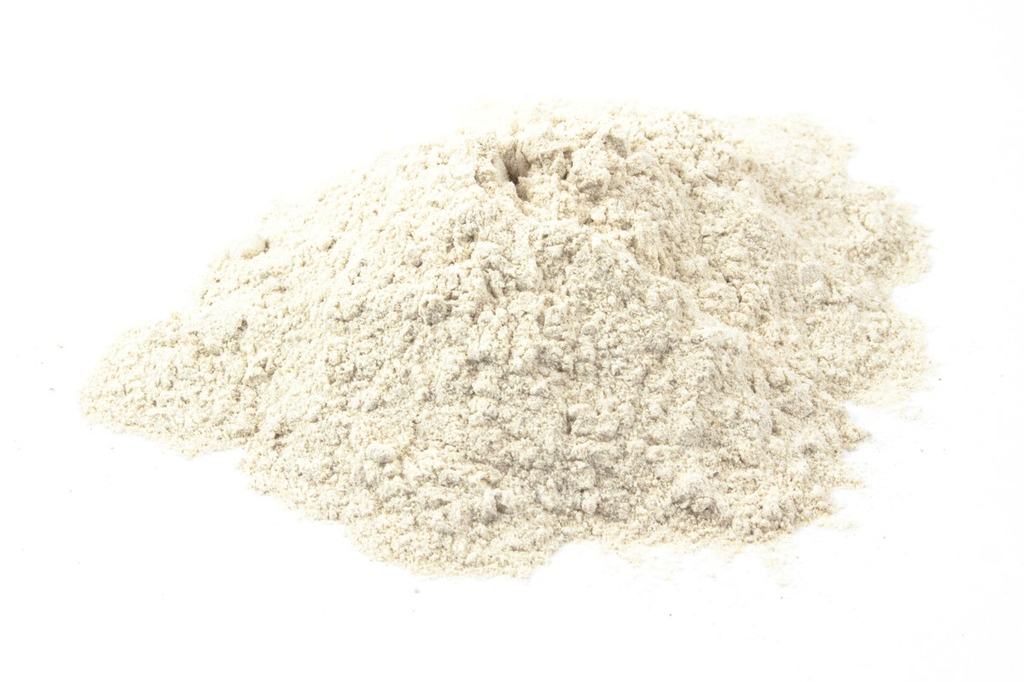
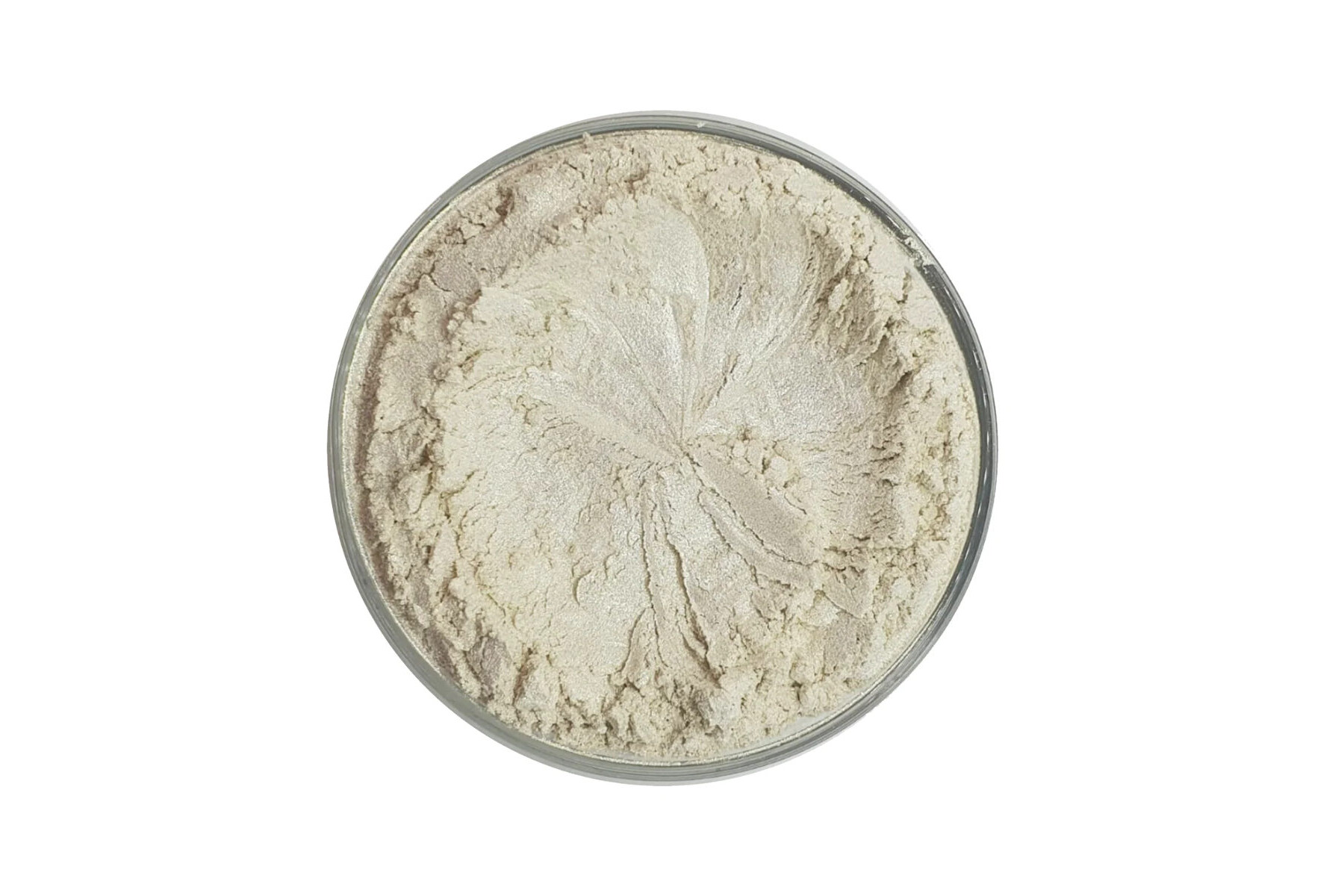
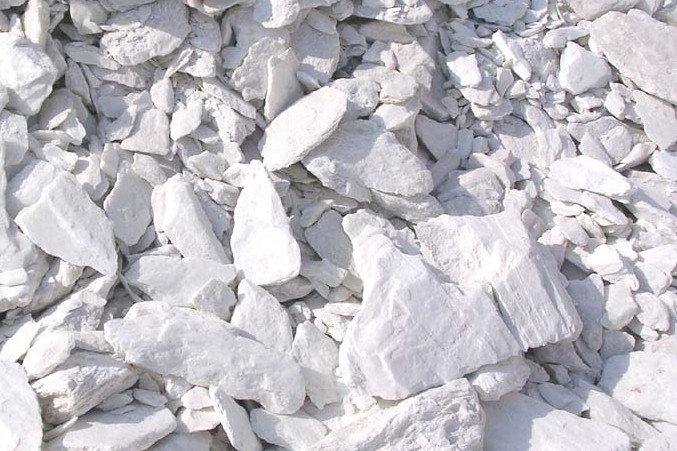
– Appearance: White or colourless crystalline powder
– Properties: Fully water-soluble and made up of 100% plant nutrients. It is a concentrated nitrogen and phosphorus compound (21% N, 53% P₂O₅) and is free of chloride, sodium and other elements harmful to plants.
– Uses: A highly effective compound fertiliser that supplies phosphate and nitrogen in the right proportion for wheat, barley and vegetables, and for early-stage fertilisation of fruit orchards. DAP is also used as a fire retardant for fabric, timber and paper.
– Packing: 25 kg or 50 kg bags. Store in a cool, dry, well-ventilated place.
Specification
| Main content, (NH₄)₂HPO₄ | 98% min |
| Phosphorus pentoxide, as P₂O₅ | 53% min |
| Nitrogen, as N | 20.8% min |
| pH of 1% water solution | 7.8 – 8.2 |
| Arsenic, as As | 30 ppm max |
| Heavy metals, as Pb | 20 ppm max |
| Chloride, as Cl | 0.001% max |
| Fluoride, as F | 0.2% max |
| Moisture | 0.2% max |
| Water insoluble | 0.1% max |